Perfecting the
Arcade Action.
Every millisecond matters in retro sports gaming. Dive into our comprehensive testing phases—from sub-pixel hitbox precision to zero-latency input mapping—ensuring our upcoming title feels flawless on every screen.
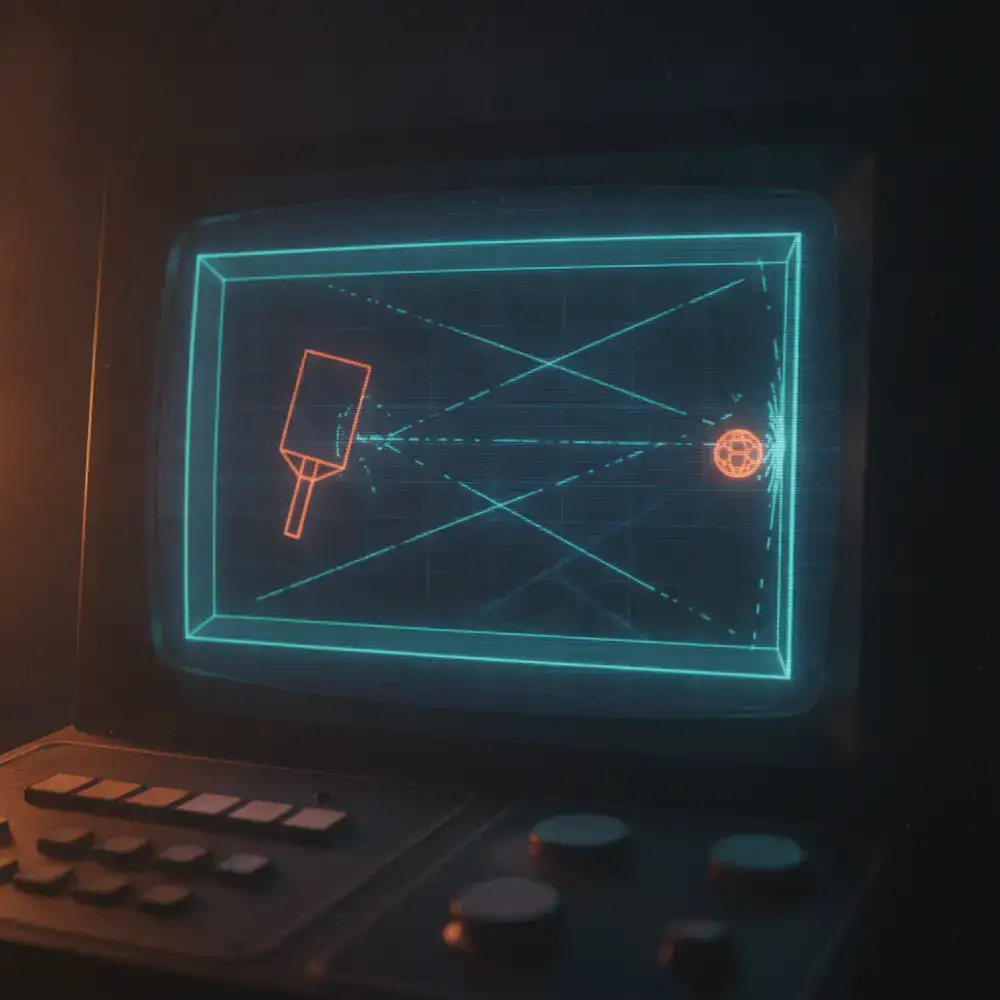
Collision Testing
In high-speed arcade environments, a single dropped frame or miscalculated bounding box can ruin a rally. Our collision testing focuses on rigorous boundary checks, ensuring the ball registers impact precisely when it visually connects with the paddle line.
We utilize slow-motion diagnostic tools to track vector deflections. By simulating tens of thousands of automated volleys at various extreme angles, we eliminate dead zones and erratic phantom bounces that traditionally plague retro remakes.
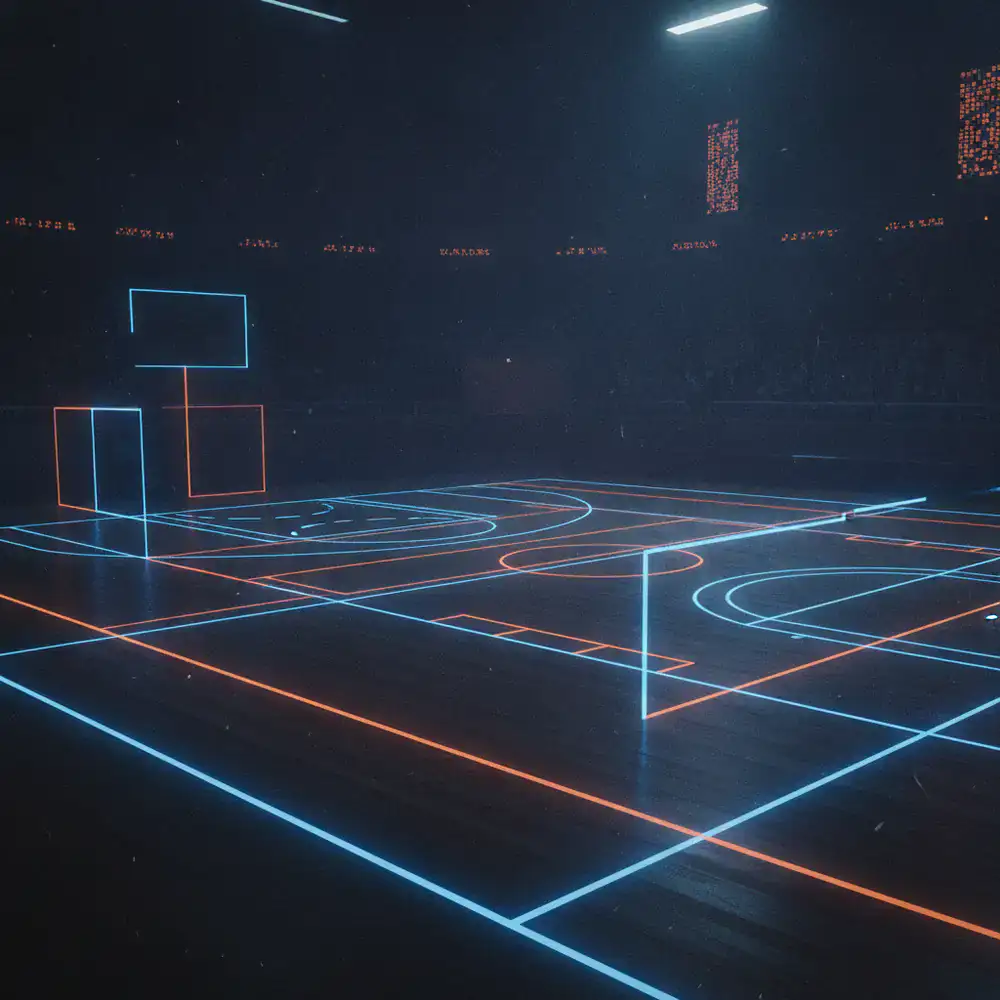
Control Testing
Latency is the ultimate enemy of the sports genre. Control testing ensures that directional inputs—whether mechanical arrow keys or touch-based swipe gestures—translate to screen movement with zero perceptible delay.
We measure input-to-render times across a spectrum of hardware profiles. Our goal is to maintain a crisp, responsive feel so players always feel fully connected to their paddle's momentum, even during rapid direction changes.
Speed Testing
As gameplay accelerates, structural integrity is pushed to its limits. We run extensive stress tests to guarantee performance doesn't degrade as the game scales in difficulty.
Speed Scaling
Validating the physics engine at extreme velocities. We track ball speed increases to ensure the human eye can still parse movement without rendering tears or physics clipping through paddles.
Device Testing
The court must remain perfectly proportioned across different operating environments.
Device Viewports
We test aspect ratios ranging from ultrawide desktop monitors down to tall mobile displays, ensuring UI elements never obscure the action.
Hardware Profiling
Enforcing a strict 60 FPS minimum lock on legacy hardware. Our visual effects and particle trails are optimized to scale back gracefully on lower-end devices without losing the retro aesthetic.
Player Feedback
Internal testing only goes so far. Real human unpredictability is the ultimate stress test. We rely on our closed beta community to identify nuanced balance issues and validate our difficulty curve.
Have an eye for detail? Want to experience the nostalgia before official release? Apply to join our next wave of playtesters.
For general press or partnership queries, contact us directly at info@paddleplaystudio.com.